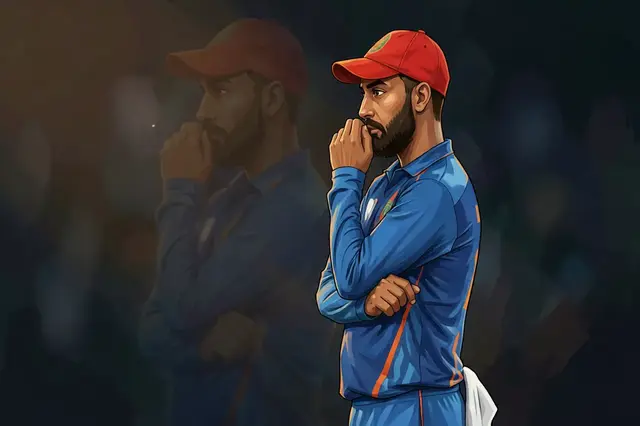

BCCI’s Test Ultimatum: Bumrah Must Play Every WTC Game Now

Published 2026-10-26 · By Pranav Malhotra (Executive Sports Editor · Kolkata Desk)
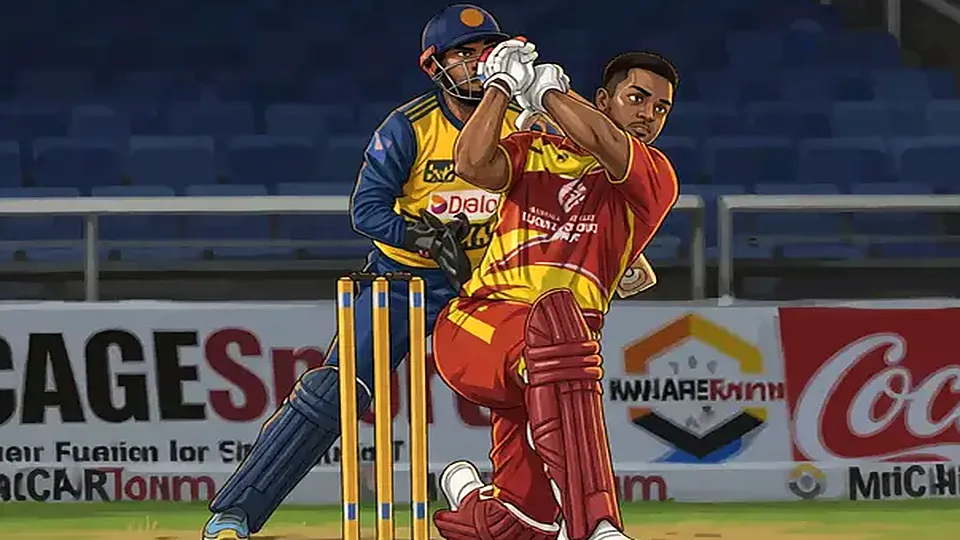
The new ball did the talking at the Wankhede. Or rather, the refusal to let it talk about anything but the red-soil grind. You saw the dressing-room chatter change tone the moment the BCCI dropped the hammer. No more token appearances. No more ‘load management’ excuses when the schedule gets tight. Jasprit Bumrah is told to play every match in the current World Test Championship cycle. Not a selection. A directive. If you are the spearhead, you show up. Every time. The boundary-percentage in T20s is nice, but the Impact Player gamble in those short formats doesn't keep the trophy cabinet full. That job belongs to the long, slow, sticky middle-overs choke that Tests demand.
Why the Red Game Gets Prioritized
It is a blunt editorial stance, but a necessary one. Indian cricket is drowning in white-ball volume. Players burn out in the league, then vanish for the red. The board is tired of watching their franchise stars skip the Ranji grind equivalent at the international level. They want the new-ball burst energy, but they want it sustained over five days, not just two hours of T20 chaos. The skiddy hard length pitches at the Oval or the MCG? Forget them. The BCCI wants Bumrah bowling into the pitch on every surface, every match, without respite. It is a tactical shift away from the ‘best XI of the day’ philosophy toward a ‘war-time squad’ mentality.
“Get serious about Tests,” the note read. There was no email. It was a phone call. You could hear the urgency in the voice of the director of cricket. No pleasantries. No small talk about dew factor after 8:30 PM IST. Just the bottom line: play or sit out.
Does this make sense for a 15-year Mumbai beat? Absolutely. Not really. We have seen the fatigue cycles. We have seen the knee injuries creep in when the body is pushed to its limits. But the money game has changed. This is where the weird twist in the wire comes in. Fans are now chasing real money earning games india upi through fantasy platforms tied to performance. If Bumrah misses a Test, the fantasy app crashes. The daily points drop. The UPI transfers stop. The ecosystem is no longer just about prestige; it is about the engagement loop. The board realizes that if they want the public to care about a day five afternoon, the star has to be there. Every day. Consistency breeds the habit. The habit breeds the audience. The audience buys the tickets, or the data. It is a cold calculation. I hate it. I respect it.
The Death Bowling Dilemma
Consider the risk. Bumrah is the only Indian who can bowl at the death without breaking a sweat. Remove him from the white-ball pool, and you strip the team of its primary weapon. Put him in the Test grind, and you might lose him to injury just when the T20 World Cup cycle hits its peak. The middle-overs choke in T20s becomes easier to manage when you have a fresh arm on the final over. But can we afford to rest him? The BCCI says no. They say the identity of the team must be built on the red cloth first. White is a byproduct. Red is the foundation. If the foundation is shaky, the skyscraper falls.
- Selection Call: Bumrah mandatory for all WTC fixtures.
- Strategic Shift: Red-ball duration over white-ball intensity.
- Fan Impact: Higher visibility drives fantasy engagement via UPI rails.
Nobody in the dugout bought the previous excuse. The ‘rest for the white-ball’ narrative was thin. It felt like a cop-out for a player who thrives on rhythm. Bumrah needs the rhythm of the red. He needs the long spells. He needs the mental grind of bowling forty minutes in the first session, not the frantic bursts of the last ten. This directive forces that. It forces the team to build a secondary spearhead who can carry the white-ball load, while the primary stays locked into the Test rhythm. Is that fair to Arshdeep? To Kumar? Maybe. But fairness is a luxury in a boardroom where titles are on the line.
The Upi Fantasy Angle
Let’s address the elephant in the room. The rise of real money earning games india upi has changed how we consume cricket. We no longer just watch; we track. We log the runs. We calculate the strike rates. We move money instantly. The BCCI knows this. If Bumrah plays every Test, his performance data is generated more frequently. More data means more betting volume. More volume means the sport survives the drought of summer cricket. It is cynical. It is also effective. The press-box voice is sharp, but the bottom line is blunt: you are part of the machine now. Play the match. Generate the points. Fill the UPI account. Or sit out. The choice is made for you. The red soil does not care about your schedule. It only cares about the bat and the ball. And the man delivering it at 145 kph, day after day, match after match.
Related coverage
- RCB’s 8PM UPI Spike Crushes Second-Screen Payouts as GT Win Final
- Sooryavanshi Chase Call: Why New Zealand's Spin Puzzle Beats Hard Lengths in Christchurch

Updated 2026-10-26 · Instant Rupee Deposits & 60s Withdrawals · 24/7 Support.
Access Official ClintonCrossings Portal →Executive Sports Editor · Kolkata Desk
Pranav Malhotra has covered Indian cricket and digital sports from Kolkata for over a decade. At ClintonCrossings (clintoncrossingsdermatology.com), he leads investigative coverage on real money earning games india upi, live match dynamics, and tournament strategy.
Reader Discussion & Match Reactions (2)4.8★ Community (2 Comments)
Verified Indian cricket reader perspectives & tactical debate on clintoncrossingsdermatology.com
With BCCI mandating Bumrah in every WTC match, fantasy managers must lock his 30‑plus% wicket‑taking rate as a non‑optional captain pick, because the new‑ball burst on both the Oval’s skiddy surface and the MCG’s hard bounce will inflate his points regardless of the opposition’s batting order.
The BCCI’s ‘war‑time squad’ edict forces India to roll Bumrah from the first over on every surface, meaning captains will abandon the traditional fifth‑bowler support role and set aggressive slip‑catches before the new‑ball swing settles, especially after a morning‑dew toss on green wickets.