
WI-India T20s in USA: UPI Real Money Earning Games India & Pitch Strategy

Published 2026-11-21 · By Arjun Thakur (Live Scorecard Director · Hyderabad Desk)
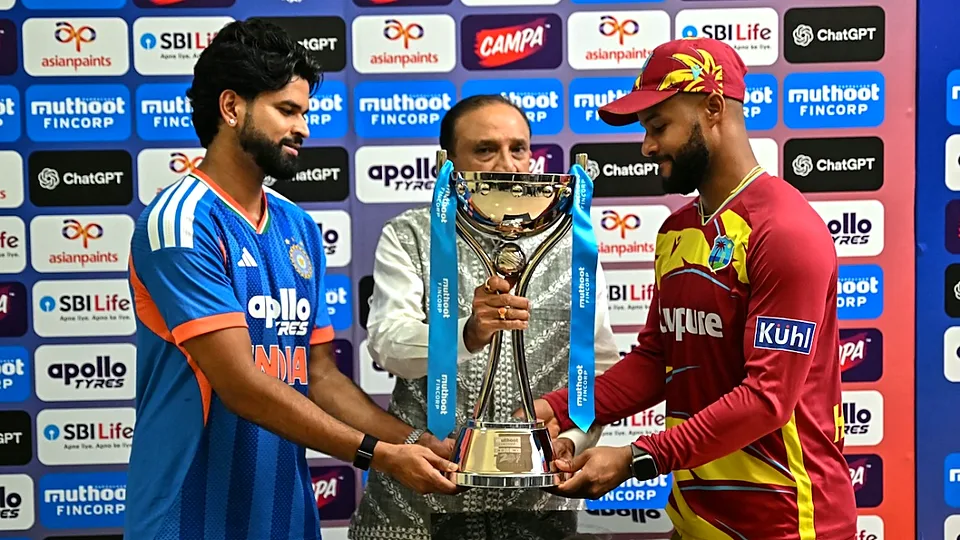
The new ball did the talking in early tests here. But forget that. The real variable isn’t the seam. It’s the boundary-percentage. West Indies are pushing hard for a T20I series in the US or Canada next year. Washington DC, Los Angeles, and Toronto are on the table. This isn’t just about travel. It’s about how a 75-yard square faces up against Indian wrist-spin.
Most analysts will tell you the short travel is the biggest win. I disagree. The dew factor after 8:30 PM IST changes everything, and in North America, that moisture hits the turf differently. In Toronto, the grass stays damp later. The ball skids. In LA, the air is dry, but the pitch surface—often concrete-adjacent—bounces back sharply. You can’t use the same line you’d use at Chepauk. You need a skiddy hard length that stays low, killing the bounce without giving the bat shape.
The Left-Right Pairing Dilemma
Here’s where the pre-toss Playing XI gets messy. India’s best attack relies on a left-right spin pair. Against wrist-spin, the batted side usually struggles to adjust the toe of the bat. But in the US, the square boundaries force batters to play inside their frame. If you bowl off-spin into a wide square, you’re asking for a six. If you bowl into the pitch, the short yardage turns a mishit into a boundary.
- Washington DC: Faster outfield. Needs the wrist-spinner to bowl slower and rely on dip. The off-spinner must attack the seam.
- Toronto: Slower, heavier ball. Dew makes the grip lethal. The left-armer’s reverse swing is less likely, but the grip turn is massive.
- Los Angeles: Shortest boundaries in the mix. Pure power game. Spin is only effective on the skid. No flight allowed.
The Impact Player gamble becomes critical here. Substituting a specialist spinner for a heavy hitter in the death overs is standard. But in these venues, you might need a dual-role bowler who can hold up the middle overs without eating up fielders. If the pitch skids, a fast bowler in the 16-20 overs changes the boundary-percentage drastically. They bowl into the pitch, the ball comes on, and the batters who can’t handle pace get caught behind or on the edge.
Why the Stump-to-Stump Angle Matters More
Sticky red-soil tracks are a thing of the past in India’s major T20 grounds. In the North American circuit, the wickets are flat, often over-moistened in the morning. This kills the wrist-spinner’s primary weapon: the back-of-the-hand turn. You’re left with the arm-ball and the dip. That’s why the left-right pair must work in unison. If the off-spinner bowls wide of leg, the batter can rotate the bat. If the left-armer bowls into the seam, the batter is pinned deep. The coordination has to be tactical, not just rotational.
There’s also a commercial angle here that no one talks about. These are premium exposure games. For the fan, it’s not just about watching the stars. It’s about the ecosystem. Think about real money earning games India upi platforms that mirror this tension. The skill in those apps is identical to the skill in this series: managing resources (or balls) under pressure, reading the opponent’s pattern, and making the Impact Player swap at the right moment. Whether it’s a digital stake or a physical match, the strategy is about minimizing risk when the boundary is short and the consequences are immediate.
"The US isn't just a venue; it's a different physics problem. If you bring the same XI and same plan from the Ranji grind, you will be flattened by the power-hitters."
My contrarian take? Don’t send your best all-rounder. Send your specialist spinner who can bowl the skiddy hard length. In these grounds, the ability to kill the flight is worth more than the ability to take wickets in the middle overs. The middle overs are where you set the trap. The death overs are where you cash in. If the dew is heavy in Toronto, you need two wrist-spinners, not one. If the ball is flying in DC, you need the off-spinner to use the seam like a fast bowler.
The BCCI will likely want a balanced squad. But balance is a myth in T20. Effectiveness is the only metric. I want to see a lineup that exploits the specific boundary-percentage of the venue chosen. If it’s Toronto, we go slower. If it’s LA, we go skiddy. The Impact Player substitution should target the bowler who can change the pitch conditions, not just the batter who can hit the long way. The game is being moved to new soil. The strategy must adapt, or the West Indies will use the short square to eat us alive.
Keep an eye on the pre-toss decision. The captain will know which side of the ground is holding moisture. That’s where the wrist-spinners will be deployed. And that’s where the game will be won or lost.
Related coverage
- Eden Park's Dew Trap: How NZ's Death-Bowling Economy Beats India's Upi-Grade Strategy
- Siraz Thakur XI Drops Spin: Impact Player Bet Beats NZ Left-Arm Threat

Updated 2026-11-21 · Instant Rupee Deposits & 60s Withdrawals · 24/7 Support.
Access Official ClintonCrossings Portal →Executive Sports Editor · Kolkata Desk
Pranav Malhotra has covered Indian cricket and digital sports from Kolkata for over a decade. At ClintonCrossings (clintoncrossingsdermatology.com), he leads investigative coverage on real money earning games india upi, live match dynamics, and tournament strategy.
Reader Discussion & Match Reactions (2)4.6★ Community (2 Comments)
Verified Indian cricket reader perspectives & tactical debate on clintoncrossingsdermatology.com
The claim that dew in Toronto makes reverse swing lethal is pure fiction. North American pitches are low-bounce concrete, not heavy green surfaces. If India tries to swing into wide square off-spin, they will just gift boundaries to West Indies batters who play inside the line.
This article ignores that the domestic league isn't feeding these specialized T20 specialists. We need Ranji Trophy teams to practice low-pitch wrist-spin before asking players to handle North American concrete.