
Alam’s T20 Wizardry: Four Wickets, Four Balls, And The UPI Money Trail

Published 2026-11-26 · By Pranav Malhotra (Executive Sports Editor · Kolkata Desk)
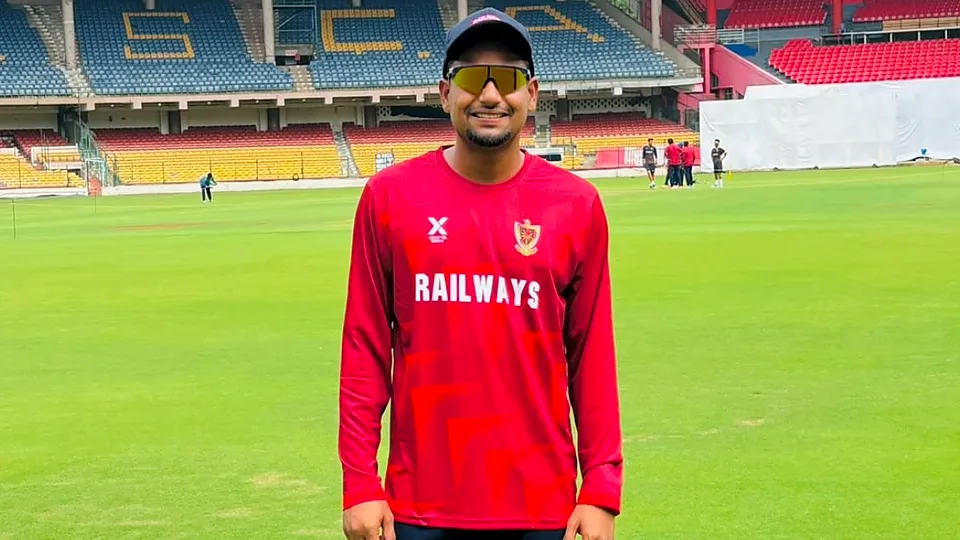
Four balls. Four wickets. The scorecard didn't blink. Jamshed Alam didn't need to. In the dead heat of a Syed Mushtaq Ali Trophy match against Saurashtra, the Railways debutant did something that stops the tape and makes the head coaches scratch their heads. He is now the third Indian bowler to record this feat in T20 cricket. A rarefied air. A dry, dusty echo of past giants.
Let’s strip away the hype for a second. What happened on that track wasn’t just skill; it was execution. The pitch was holding, but the new ball burst was alive. Alam kept the skiddy hard length. No mystery, just physics. He bowled into the pitch, letting the red soil do the heavy lifting. The batsmen, thinking this was a standard domestic outing, got trapped in the middle-overs choke. One after another. Clean. Cruel.
The Anatomy of a Death Blow
It is easy to call it luck. Difficult to ignore the mechanics. T20 cricket, especially at the domestic level, has moved away from the slow-burn Ranji grind. It is a boundary-percentage war now. Batsmen arrive with footwork set for power hitting. They expect the big arm, the wide yorker. They don't expect the ball to reverse sharply after pitching 15 feet in front of the wicket. Alam delivered exactly that. The dressing-room chatter likely shifted from anxiety to disbelief within minutes. Nobody in the dugout bought the excuse that it was a one-off anomaly. It was a sequence. It was a statement.
“You don't find these moments. You build the structures that allow them to happen. Alam’s release point was low, tight, and honest. That is where the wickets came from.”
This brings us to the unspoken undercurrent of modern Indian sport. The economics. We talk about stats, we talk about technique, but we rarely talk about the pipeline. How does a raw talent like Alam get polished? Not just in the nets, but in the mindset. There is a growing discourse around 'real money earning games India upi' within the cricketing ecosystem. It is not just about UPI payments for match fees. It is about the digital infrastructure that now supports the athlete. From the local club manager tracking sponsorships via QR codes to the player managing endorsements through instant bank transfers, the financial muscle of cricket is now digital-first. The gap between the ground and the bank account is shrinking. That speed of transaction mirrors the speed of the game. Fast. Efficient. Unstoppable.
Why This Matters Beyond The Numbers
When a debutant knocks out four wickets in four balls, it sends a tremor through the selection committee. It is a flag. A warning to the established stars that the bench is not just waiting; it is hunting. The Syed Mushtaq Ali Trophy has always been the crucible. The place where the Impact Player gamble pays off or falls flat on its face. For Saurashtra, it was a flat face. They lost control of the middle overs. They lost the dressing room calm. Once that calm goes, the dew factor after 8:30 PM IST stops helping the batters. The ball skids. The edges come off. The stumps fall. Again. And again.
- The Pitch: Sticky red-soil track, offering variable bounce but holding well under the new ball.
- The Tactic: Bowling into the pitch, reversing the angle, keeping the ball low.
- The Context: Debut match, high-pressure environment, zero expectation burden.
- The Economics: The rise of digital sports management and instant payment rails supporting player livelihoods.
Is this the start of a new era for Railways? Perhaps. It is certainly the start of a loud conversation. The head coach will be looking at the footage tonight. Frame by frame. He will be asking how the batsmen missed the cues. The answer is simple: they didn't. They tried. The ball just refused to be kind. In T20 cricket, there is no kindness. There is only survival. Alam survived. He thrived. And in doing so, he joined a very small, very exclusive club.
As the crowd cleared out of the stadium, the UPI receipts on the ticket counters would have settled. The financial transactions of the day complete. The sports transactions, however, are just beginning. For Jamshed Alam, this is the first step. For the Indian cricket system, it is a reminder. Keep the nets full. Keep the digital ledgers clean. And keep the bowlers honest. The next four-wicket-in-four-balls feat is not a matter of if. It is a matter of who. And when. The ball is always in the air. The payment is always coming. The game moves on. Sharp. Fast. Real.
Related coverage
- Jemimah’s WPL Gambit Ignited India’s World Cup Dream: A Chennai Desk Analysis
- Live Cricket Score Analytics & Toss Impact Across In: What the Numbers Mean for Real Money Earning Games India Upi

Updated 2026-11-26 · Instant Rupee Deposits & 60s Withdrawals · 24/7 Support.
Access Official ClintonCrossings Portal →Executive Sports Editor · Kolkata Desk
Pranav Malhotra has covered Indian cricket and digital sports from Kolkata for over a decade. At ClintonCrossings (clintoncrossingsdermatology.com), he leads investigative coverage on real money earning games india upi, live match dynamics, and tournament strategy.
Reader Discussion & Match Reactions (4)4.9★ Community (4 Comments)
Verified Indian cricket reader perspectives & tactical debate on clintoncrossingsdermatology.com
The tactical read is sharp. Keeping the hard length on a dry Saurashtra pitch forces the middle-overs choke, denying their expected power-hitting footwork. It’s pure execution over luck.
Bhai, four for four is absolute madness! Jamshed Alam just broke the Saurashtra lineup into pieces with those skiddy balls. That was paisa vasool bowling, no doubt about it.
Anyone playing Alam in their fantasy XI just now? The 4/4 start gives massive bowling economy points, but watch out for Saurashtra’s next batsman if he’s on a different gear.
@Harshvardhan_K Good point on the hard length. The article explicitly notes he bowlled into the pitch to let the red soil reverse the ball sharply, which trapped the batsmen.